Transcripts
As of December 20, 2025, Death Panel is supported by 1,991 paid Patreon members. Our goal is to reach 2500 patrons—at which point we can reliably publish full transcripts for every main feed episode as a standard part of the show.
Right now, transcripts are available for select episodes. We are steadily working through the back and current catalog of releases, but our capacity to make the show fully accessible is shaped by material conditions—not a lack of interest or commitment.
Producing accurate transcripts is skilled, time-intensive labor. For Death Panel, that labor is directly shaped by debility and conflicting access needs: Beatrice’s low vision creates specific access requirements around editing and correction that require additional time and coordination. Historically, transcription work has been undervalued and disproportionately pushed on precarious workers under conditions of low pay and assumed flexibility (this landscape is getting much worse and more dire as a result of the proliferation of AI transcription products). We reject that model and are proud to pay our transcript-workers a fair wage.
We are committed to accessibility and to paying our transcript makers for the incredibly hard work of transcribing our dense and long episodes. Reaching 2,500 patreon supporters would make that commitment materially sustainable. Transcripts are not autogenerated. Each one requires skilled listening, editing, and correction by a human being. Your support on patreon directly contributes to our ability to cover this labor consistently, without relying on error-prone auto-transcription or underpaying the disabled workers who make the transcripts.
If you value this show, and want it to become accessible in a way that doesn’t rely on exploited or invisible labor, becoming a patreon supporter is the most direct way to help. Collective support is what can help us turn access from a desire into a promise listeners can depend on.
Join us on Patreon and help fund full transcripts for every episode. <3
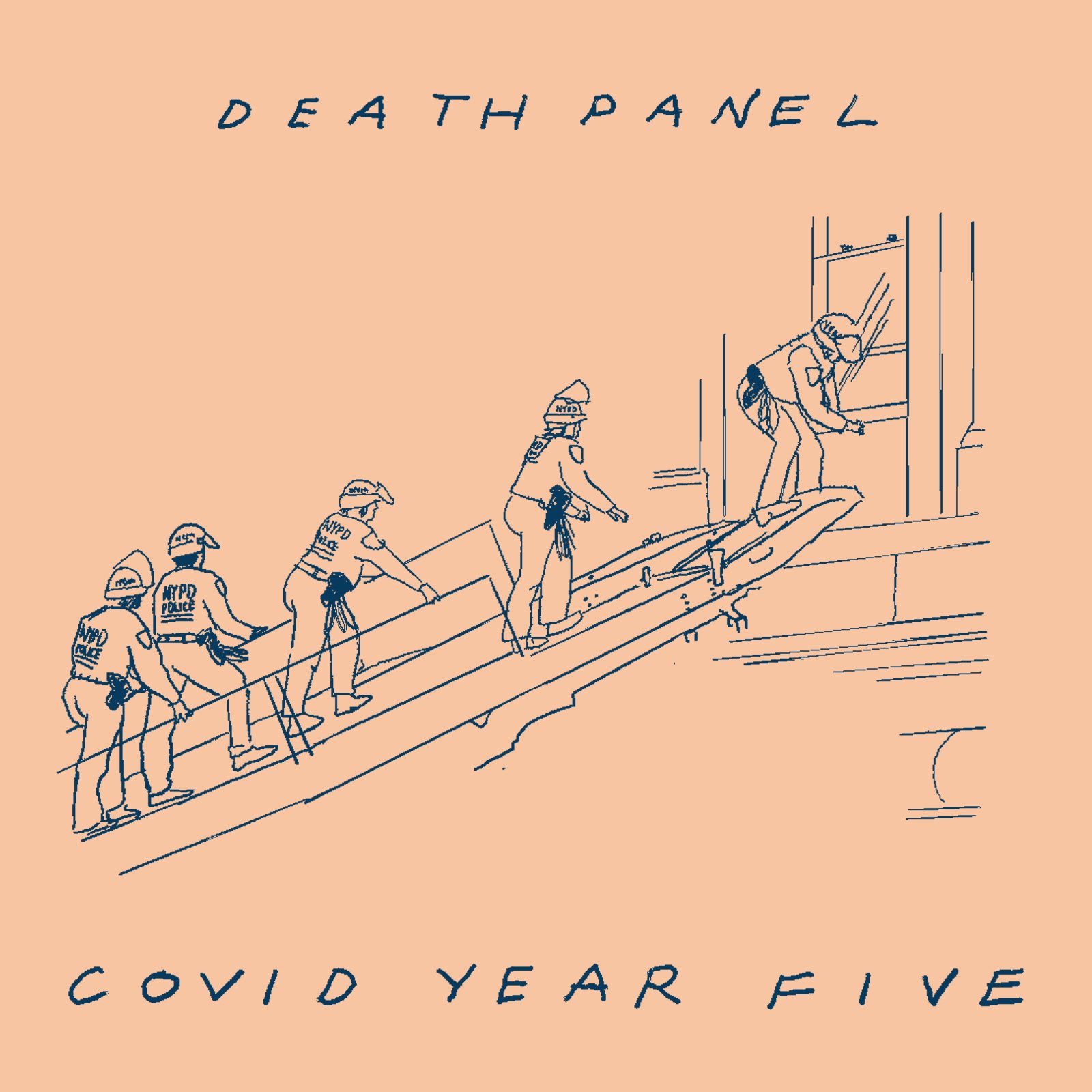
Covid Year Five (12/23/24)
We present our 2024 year in review, taking a look back at the last year in the ongoing social and political consequences of normalizing the covid pandemic and rushing to bring the federal covid response to a close.
Extended Teaser - Covid Year Five (12/23/24)
We present our 2024 year in review, taking a look back at the last year in the ongoing social and political consequences of normalizing the covid pandemic and rushing to bring the federal covid response to a close.
The Promise and Perils of Wastewater Data w/ Betsy Ladyzhets (08/29/24)
Death Panel podcast host Beatrice Adler-Bolton, speaks with Betsy Ladyzhets of The Sick Times about what wastewater surveillance does—and doesn’t—tell us about the level of covid spread and how the rise of covid wastewater monitoring fits inside the larger picture of the privatization of both covid risk and covid data.
Disabled Ecologies w/ Sunaura Taylor (07/08/24)
Death Panel podcast host Beatrice Adler-Bolton speaks with Sunaura Taylor about how industrial pollution and systemic abandonment produce networks of disability among people, animals, and what she calls “injured landscapes;” how one community in Arizona organized against longstanding environmental pollution from arms manufacturing; and her new book, Disabled Ecologies: Lessons from a Wounded Desert.
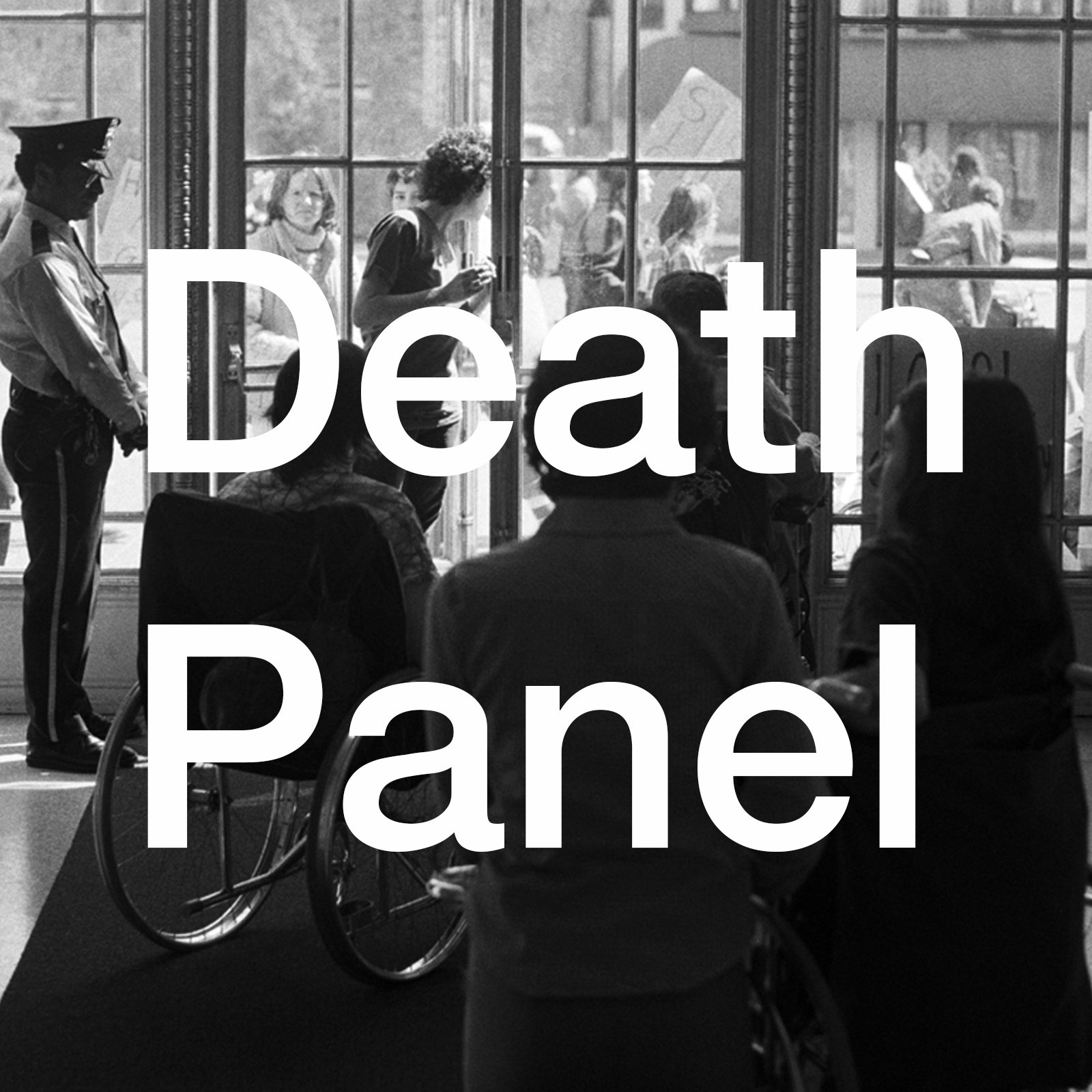
A Death Panel History of 504 (Parts I & II)
Death Panel podcast hosts Beatrice Adler-Bolton, Artie Vierkant and Phil Rocco tell (one version of) the story of Section 504, a landmark piece of civil rights legislation for disabled people in the US. In Part One, we look at the politics leading up to the 504 sit-in and how the implementation of Section 504 very nearly didn't happen because of concerns that it would be "too expensive." In Part Two, our story continues with a look at the sit-in action itself—the longest occupation of a federal government building in US history—and the key role played by the Oakland Black Panthers and other groups in assuring the occupation's success.
“No Use to the State” w/ Micah Khater (04/22/24)
Death Panel podcast hosts Beatrice Adler-Bolton speaks with Micah Khater about the intersection of race, disability, and incarceration in the southern US in the early 20th century, and her work documenting the history of how Black women experienced and theorized disability from within Alabama prisons.

Massification, Debility, and 40 Years of Crisis in Bhopal w/ Jiya Pandya (05/16/24)
Death Panel podcast hosts Beatrice Adler-Bolton and Jules Gill-Peterson speak with historian Jiya Pandya about how the Bhopal gas leak—often described as the worst industrial disaster in living memory—continues to be an unchecked crisis 40 years later, what it teaches us about how to respond to more recent crises, and how organizers here in the US can get in touch with Bhopal survivor activists who will be coming to the US later this fall.
Refusing to Forget w/ Vicky Osterweil (03/21/24)
Death Panel podcast host Beatrice Adler-Bolton speaks with Vicky Osterweil about the events we’re encouraged to forget, repress, and reinterpret in order to abet genocide, carcerality, or abandonment to a pandemic, and the power of refusing to forget.

"The Wheelchair-to-Warfare Pipeline" w/ Liz Jackson and Rua Williams (04/11/24)
Death Panel podcast host Beatrice Adler-Bolton speaks with Liz Jackson and Rua Williams about the history and ongoing practice of design objects ostensibly created for accessibility being repurposed into tools of war.
Legitimate Protest and the Construction of "Reason" w/ Stefanie Lyn Kaufman-Mthimkhulu (02/29/24)
Death Panel podcast host Beatrice Adler-Bolton speaks with Stefanie Lyn Kaufman-Mthimkhulu about attempts to dismiss Aaron Bushnell’s self immolation as mental illness, and why settler colonialism relies so heavily on drawing lines between madness and “reason.”
Collapse w/ Dean Spade (02/22/24)
Death Panel podcast host Beatrice Adler-Bolton speaks with Dean Spade about how we respond to crises, from climate collapse to covid, and how the state’s primary response to these crises is to try to narrow the possibilities for political action around them.